You’re seriously underestimating how lazy I am.
1 Like
Reminds me of Mongolian grill. It never seems to matter which sauces or how much I put in, I can only seem to change the spice level.
My wife does most of the cooking in this household, and our go-to Sunday breakfast is a garlic rice noodle dish that is the reason I am able to get through each week. Tons of garlic, Parmesan cheese (for her – I gave up dairy), sesame oil, and minced onions.
There’s no recipe – she cooks based on experience – but if you throw those ingredients together in some combination, you’re bound to get something that tastes quite good.
1 Like
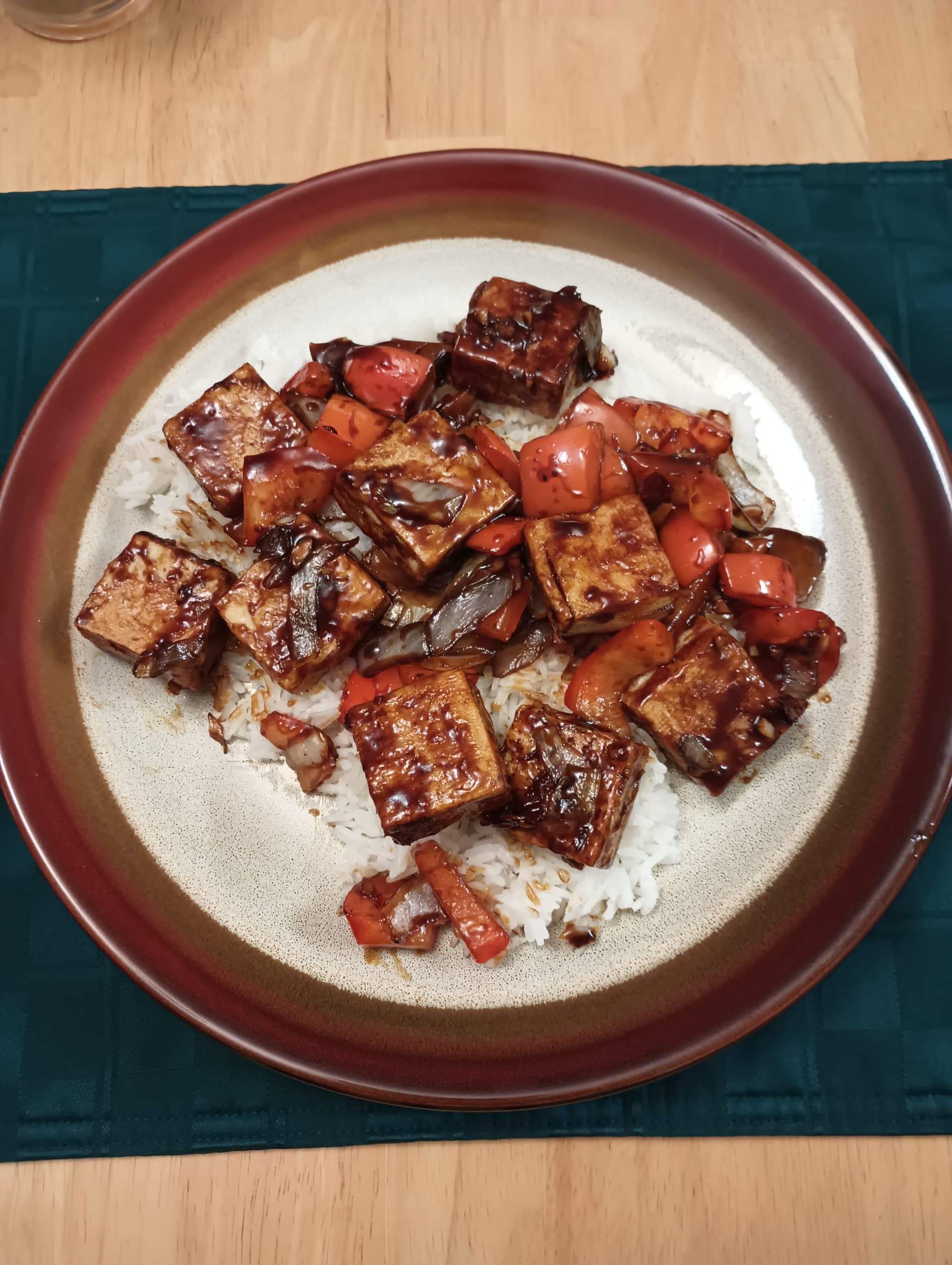
Just made some General Tso’s tofu. Using two arbol peppers (seeds removed) added just the right amount of heat.
2 Likes
Anyone want to try this out and report back.
Sounds like a job for @MrWookie
They aren’t reporting anything I haven’t been saying except that a shortcut to restaurant-grade pasta water is to just use cornstarch, which is a fine idea but pretty obvious.
Hopefully they will request Wookie as a reviewer on this:
https://arxiv.org/pdf/2501.00536
Seems like a lot of science for a pasta recipe. If I’m not mistaken, it seems the most important finding was the 4g starch/160g cheese to get a sweet spot of 2-3% starch.
Is this part of your approach or do you think you just end up there by feel?
I made cacio e pepe last night for the first time using a serious eats recipe and it was a big hit.
1 Like
These guys might have actually out serious-eatsed serious eats on this one.
The paper is noteworthy for being quantitative when most cooks achieve the result by practice and feel. The precision is interesting, but at the same time, it’s not really proposing a novel or interesting approach to the dish. What might have been interesting and novel would be testing sodium citrate in the dish, which is used for nacho cheese sauce and American mac and cheese, but I’ve never heard of anyone using it for cacio e pepe.
That sounds like a rejection from WookieReviewer
Seems like a similar technique to this:
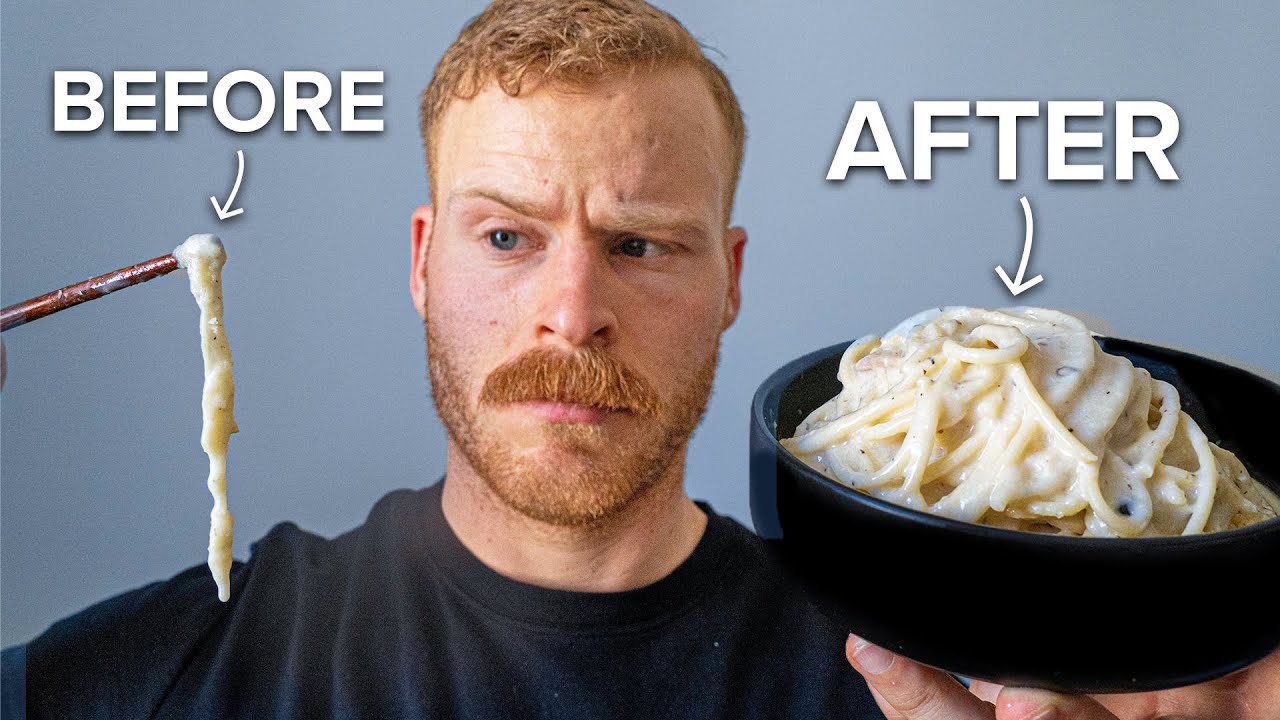
I tried this method and the texture was good, but I can’t get good Pecorino Romano around here. I used a “Pecorino” labeled cheese from Wisconsin cows I found in my local supermarket. It was ok, but the flavor was off because that’s obviously not the right cheese. I need to find room to bring back some portion of a wheel from Italy next year.
1 Like
Nah, I support publishing findings, even less interesting ones, as long as the methodology was sound, because replication of past results and scrutinizing things you know are both important parts of science. As a reviewer I might have pushed the researchers to add a sodium citrate experiment or something, or maybe to do a flour vs. cornstarch vs. potato starch comparison, as that could help uncover new techniques.
1 Like
Do you have a Whole Foods nearby? They carry authentic Pecorino at my local
Are you cooking through a silicone baking mat? That is kind of interesting imo. Is this to protect the glass top?
Yes, I am. It works well with an induction stove (not recommended otherwise!). Mainly it helps keep the stove surface clean, so then I only have to wash the mat, but it prevents scratches, too.
1 Like
I think cleaning any glass surface is much easier than cleaning those mats. Getting grease completely off of them is no easy task.
I was watching this video and one of the rare “steaks” was sweetbread.
a) not a steak obviously, it’s a gland
b) is that rare for americans? you’d be super hard pressed to find a top end restaurant without a sweetbread dish here + it’s the staple expensive skewer at any “bbq” place here (with bbq being izakaya style places)
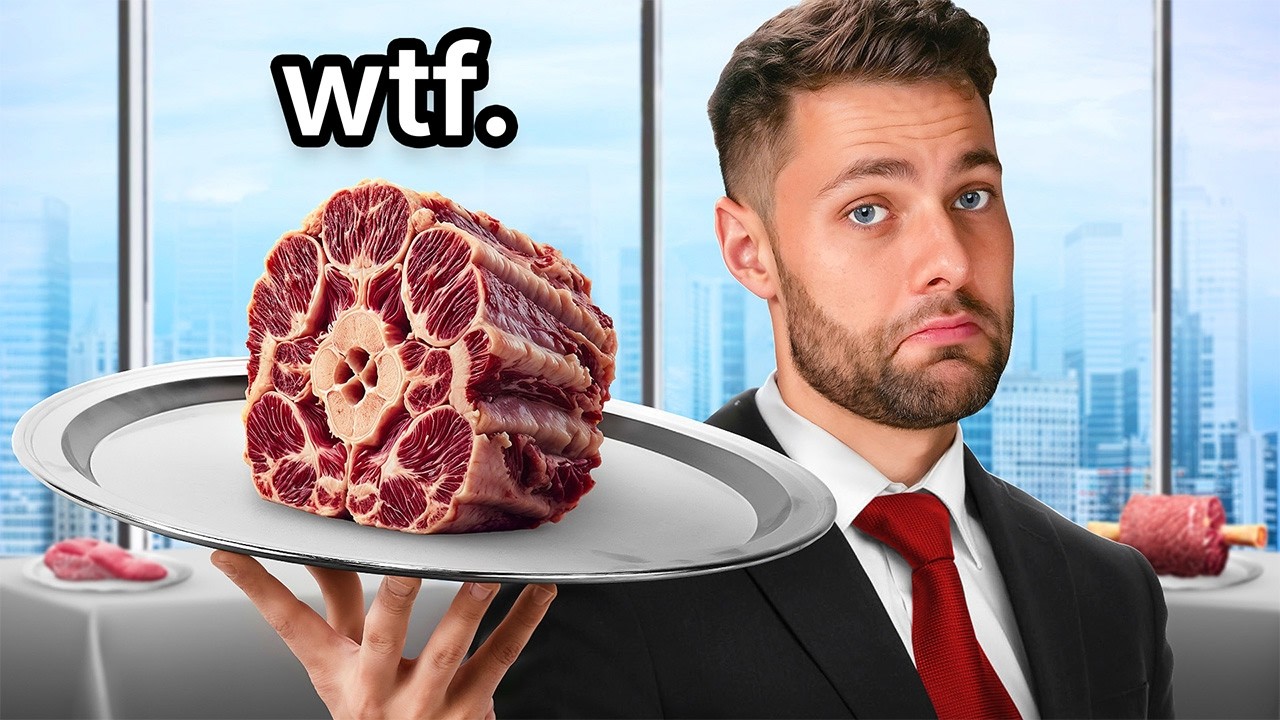
Answer to b is yes.
I don’t need any Mad Cow disease, kosher or not.
My sweetbread travels ended close to 50 years ago, in a hallucinogenic whirlwind of horas and Viennese desert carts.